
Saw Blade Teeth Guide: A Comprehensive Overview (Updated 04/28/2026)
Today’s date is 04/28/2026 15:00:04. This guide details selecting the right blade‚ from 5-inch scroll saws with 12-piece sets to band saws facing cutting challenges.
The foundation of any saw’s performance lies within its teeth. These seemingly simple components dictate cutting speed‚ finish quality‚ and the types of materials a blade can effectively handle. Choosing the correct blade‚ and understanding its tooth structure‚ prevents frustrating project stalls and ensures clean‚ precise results.
Many find themselves unprepared‚ realizing mid-project they lack the appropriate blade. This guide explores the intricacies of saw blade teeth‚ covering geometry‚ types‚ counts‚ and materials. Welders‚ for example‚ frequently encounter diverse materials requiring specialized blade configurations for solids‚ tubes‚ and structural shapes. Proper blade selection‚ alongside consistent maintenance‚ is crucial for optimal performance and safety.
Understanding Tooth Geometry
Tooth geometry encompasses several key angles and dimensions that dramatically influence cutting performance. These include the rake angle‚ which dictates the aggressiveness of the cut‚ and the clearance angle‚ preventing friction and chip welding. The tooth form – its shape and profile – determines the type of cut produced‚ ranging from rough to highly refined.
Understanding these elements is vital for matching a blade to the material. For instance‚ a positive rake angle excels at slicing through wood‚ while a negative angle is better suited for harder metals. Correct geometry ensures efficient chip evacuation‚ preventing overheating and blade damage‚ ultimately extending its lifespan and maintaining cutting accuracy.
Tooth Types and Their Applications
Different tooth configurations cater to specific cutting needs. Straight teeth are versatile‚ suitable for general-purpose cutting in softer materials. Wavy teeth‚ offering a scalloped edge‚ excel at producing smoother cuts‚ particularly in wood‚ minimizing splintering. Skip teeth‚ with alternating gaps‚ are designed for rapid cutting of thicker materials‚ enhancing chip clearance.
Selecting the appropriate tooth type is crucial for optimal results. For interrupted cuts‚ like those encountered when sawing solids or bundles‚ skip teeth prove invaluable. Understanding these distinctions allows users to tackle diverse projects efficiently‚ ensuring clean‚ precise cuts and maximizing blade performance across various materials and applications.
Straight Teeth
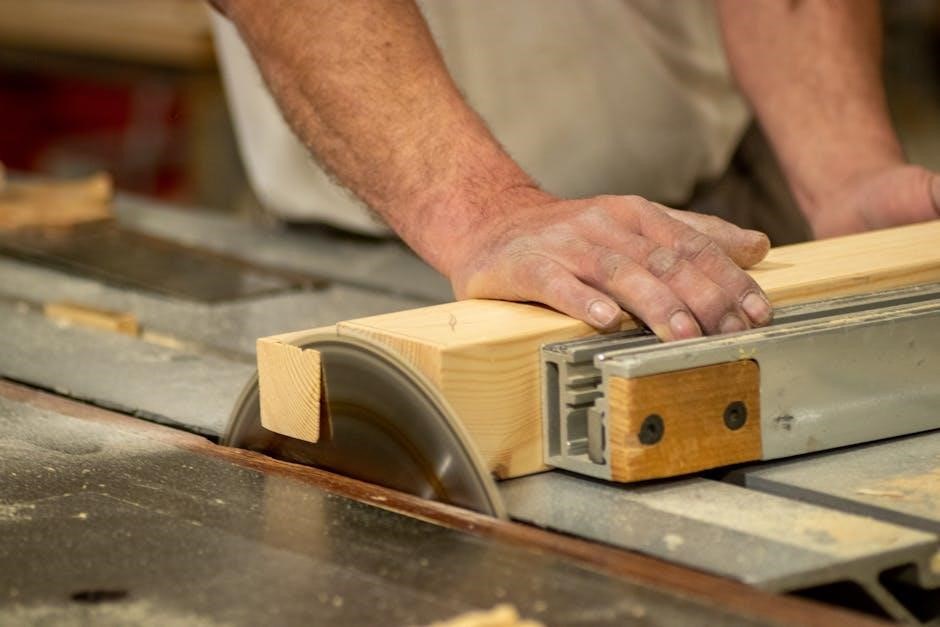
Straight teeth represent a foundational blade design‚ offering broad applicability. These teeth are uniform in height and angle‚ making them ideal for general-purpose cutting across a range of materials. They efficiently slice through wood‚ plastics‚ and even softer metals‚ providing a consistent cutting action.
However‚ straight teeth may not be the optimal choice for intricate work or materials prone to splintering. Their simplicity means they don’t always deliver the smoothest finish. Despite this‚ their versatility and cost-effectiveness make them a staple for many users‚ particularly when tackling straightforward cutting tasks and requiring frequent blade replacements.
Wavy Teeth
Wavy teeth blades offer a unique cutting profile‚ distinguished by alternating high and low tooth points. This design excels at producing smoother cuts‚ particularly in thicker materials like wood and plastics‚ minimizing splintering and tear-out. The varying tooth height creates a slicing action rather than a purely aggressive cut.
While not as fast as straight teeth for rough cuts‚ wavy teeth provide superior finish quality. They are frequently chosen for projects demanding precision and aesthetic appeal. However‚ they may struggle with harder metals or materials requiring rapid material removal‚ making them a specialized choice for specific applications.
Skip Teeth
Skip tooth blades feature a pattern where groups of teeth are separated by spaces‚ or “skips‚” along the blade’s edge. This configuration is specifically designed for faster cutting through thicker materials‚ particularly wood. The skips provide increased space for chip evacuation‚ preventing clogging and maintaining cutting efficiency.
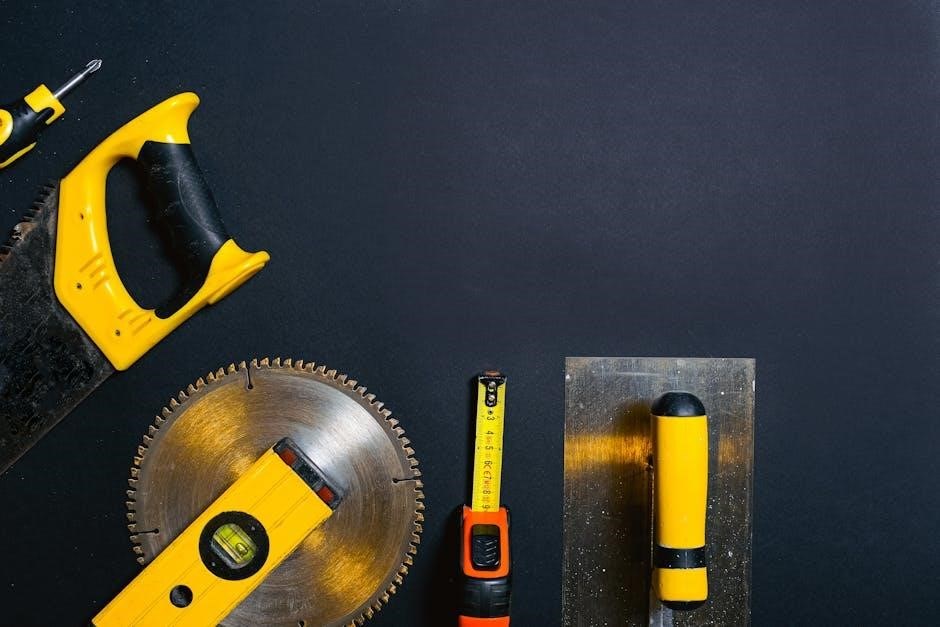
These blades are commonly used in band saws when dealing with substantial stock. While offering speed‚ skip teeth generally produce a rougher cut compared to wavy or straight teeth. They are less suited for intricate work or materials requiring a fine finish‚ prioritizing material removal over precision. Welders often utilize them for quick cuts on various shapes.
Tooth Count and Its Impact on Cutting
The number of teeth on a saw blade significantly influences the cutting process‚ affecting both speed and finish quality. A higher tooth count generally results in a smoother cut‚ as each tooth removes a smaller amount of material per pass. This is ideal for delicate work and materials prone to splintering.
Conversely‚ blades with fewer teeth cut faster but leave a coarser finish. They excel at rapidly removing material from thicker stock. Considering the material being cut is crucial; softer materials benefit from more teeth‚ while harder materials require fewer to prevent clogging and maintain efficiency. Selecting the correct tooth count optimizes performance.
Pitch: Distance Between Teeth
Pitch‚ defined as the distance between each tooth on a saw blade‚ is a critical factor influencing cutting performance and chip evacuation. A finer pitch – teeth closer together – creates a smoother cut and is well-suited for thinner materials and intricate designs‚ like those achieved with scroll saws.
Conversely‚ a coarser pitch – greater distance between teeth – allows for faster cutting speeds and more efficient removal of material from thicker stock. However‚ it may result in a rougher finish. Proper pitch selection prevents overheating and clogging‚ ensuring clean‚ efficient cuts. Matching pitch to material thickness is paramount for optimal results.
Rake Angle: Positive‚ Negative‚ and Zero
The rake angle‚ the inclination of the tooth face‚ significantly impacts how a blade interacts with the material being cut. A positive rake angle encourages aggressive cutting‚ ideal for softer woods‚ creating clean slices with minimal resistance. However‚ it can be less effective on harder materials.
A negative rake angle excels in cutting tough materials like metal‚ providing strength and reducing grabbing. Zero rake angle offers a balance‚ suitable for general-purpose cutting. Selecting the correct angle minimizes friction‚ prevents kickback‚ and optimizes cutting efficiency‚ ensuring a smooth and controlled operation.
Gullet Design and Chip Evacuation
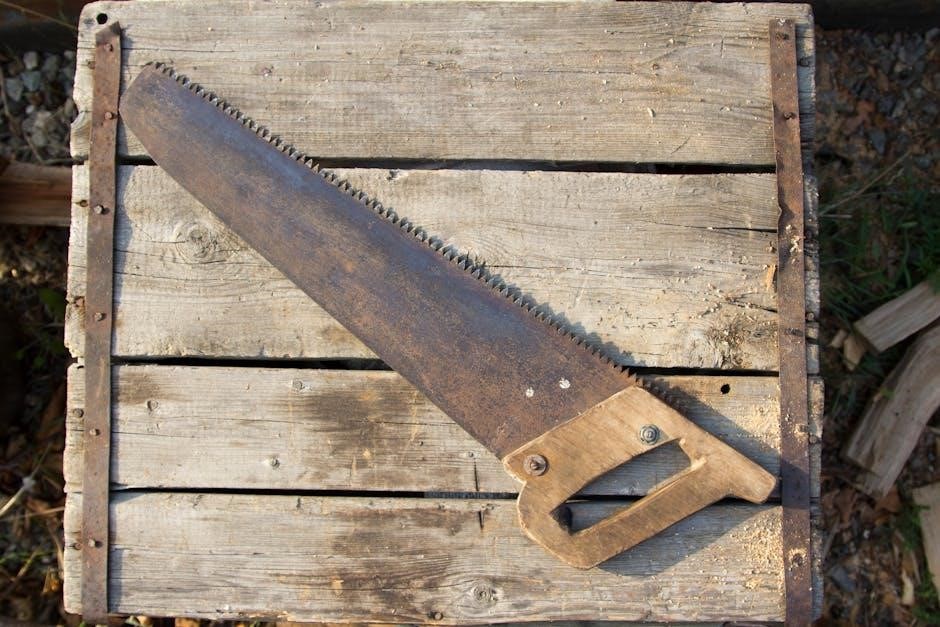
The gullet‚ the space between the teeth‚ is crucial for efficient chip removal during cutting. Effective chip evacuation prevents clogging‚ reduces friction‚ and maintains cutting speed. Gullet design varies based on the material being cut; deeper gullets handle larger chips from thicker materials‚ while shallower ones suffice for thinner stock.
Poor chip evacuation leads to overheating‚ blade binding‚ and reduced cutting performance. Welder’s challenges with interrupted cuts highlight the need for optimized gullet designs. Proper gullet geometry ensures a cleaner cut‚ extends blade life‚ and improves overall cutting efficiency‚ contributing to a smoother workflow.
Materials and Tooth Hardness
Tooth hardness directly correlates with the blade’s ability to cut through different materials. High carbon steel blades are suitable for softer woods and plastics‚ offering good sharpness but limited durability. Bi-metal blades combine a high-speed steel tooth with a flexible backing‚ enhancing both wear resistance and impact strength for versatile cutting.
For demanding applications‚ carbide-tipped blades provide exceptional hardness and longevity. These blades excel at cutting abrasive materials like metal and composites. Selecting the appropriate material ensures optimal performance and extends the blade’s lifespan‚ preventing premature wear and maintaining consistent cutting quality.
High Carbon Steel Blades
High carbon steel blades represent a cost-effective solution for general-purpose cutting tasks. Forged for sharpness‚ these blades are particularly well-suited for softer materials like wood‚ offering clean cuts with minimal effort. However‚ their inherent brittleness means they dull relatively quickly when encountering harder substances.
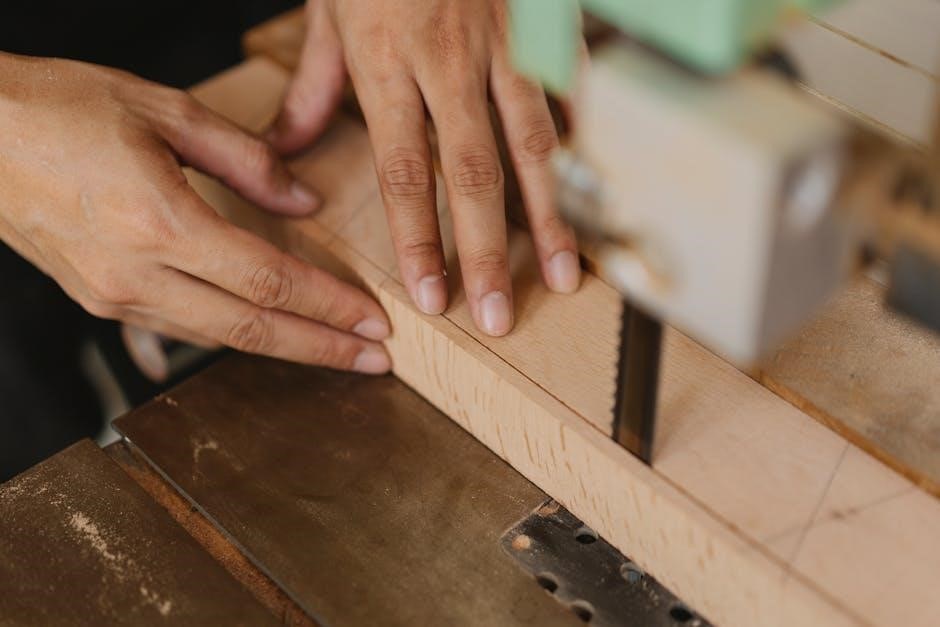
These blades are frequently found in scroll saw blade sets‚ like the 12-piece 5-inch options. Regular sharpening is crucial to maintain their effectiveness. While not ideal for demanding applications or abrasive materials‚ high carbon steel provides a balance of affordability and performance for hobbyists and light-duty projects.
Bi-Metal Blades
Bi-metal blades represent a significant upgrade in durability and versatility compared to high carbon steel. Constructed with a high-speed steel tooth strip electron-beam welded to a flexible carbon steel body‚ they combine hardness and toughness. This construction resists breakage during interrupted cuts‚ a common challenge for welders and metalworkers.
These blades excel at cutting a variety of materials‚ including wood‚ metal‚ and even some plastics. The flexibility of the backing steel reduces the risk of snapping when sawing solids‚ structurals‚ tubes‚ bundles‚ or angle iron. While more expensive than carbon steel‚ bi-metal blades offer a longer lifespan and improved performance.
Carbide-Tipped Blades
Carbide-tipped blades represent the pinnacle of saw blade technology‚ offering exceptional durability and cutting performance. Featuring tungsten carbide teeth brazed onto a steel body‚ these blades maintain their sharpness significantly longer than high carbon or even bi-metal alternatives. This makes them ideal for abrasive materials and high-volume cutting.
They are particularly well-suited for cutting hardwoods‚ non-ferrous metals‚ and composite materials. While the initial investment is higher‚ the extended lifespan and reduced need for sharpening result in long-term cost savings. Carbide tips resist wear‚ ensuring consistent cut quality even through tough materials‚ minimizing blade changes.
Blade Selection Based on Material
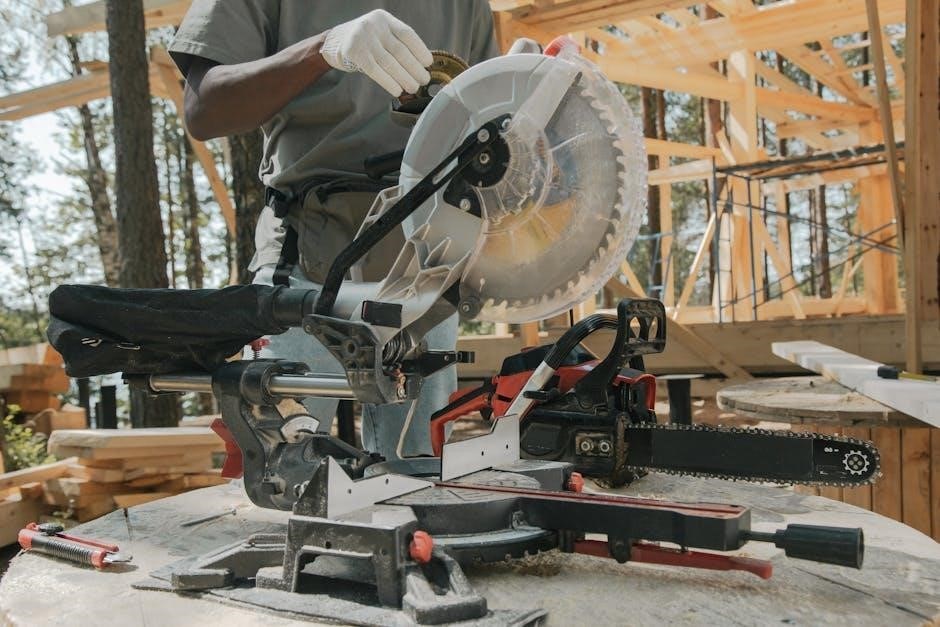
Choosing the correct blade is paramount for efficient and safe cutting. Different materials demand specific blade geometries and tooth configurations. For cutting wood‚ blades with fewer teeth and a larger gullet are preferred for faster material removal‚ while finer-tooth blades yield smoother finishes.
Cutting metal necessitates blades designed to withstand higher heat and abrasion‚ often featuring carbide tips or high-speed steel. Cutting plastics & composites requires specialized blades to prevent melting or chipping; a high tooth count and slow feed rate are crucial. Selecting the wrong blade leads to poor results and potential damage.
Cutting Wood
Woodcutting blades prioritize speed and efficiency‚ but finish quality also matters. Blades with fewer teeth – typically between 24 and 40 – excel at rapid stock removal in softer woods like pine. For hardwoods like oak or maple‚ a higher tooth count (60-80) delivers cleaner cuts with reduced tear-out.
Gullet design is critical for chip evacuation‚ preventing overheating and binding. Consider the wood’s thickness; thinner materials benefit from finer teeth‚ while thicker stock requires more aggressive geometries. Proper blade selection minimizes splintering and ensures a professional result.
Cutting Metal
Metal cutting demands specialized blades designed for durability and precision. High tooth counts – often exceeding 100 – are crucial for preventing grabbing and ensuring smooth cuts through steel‚ aluminum‚ or other metals. Bi-metal or carbide-tipped blades are preferred for their resistance to wear and heat buildup.
Interrupted cuts‚ common when sawing solids‚ tubes‚ or bundles‚ require blades capable of withstanding shock and maintaining consistent performance. Lower cutting speeds and appropriate lubrication are essential. Selecting the correct pitch and tooth geometry minimizes chatter and maximizes cutting efficiency.
Cutting Plastics & Composites
Cutting plastics and composites presents unique challenges due to their tendency to melt or chip. Blades with a high tooth count and a fine pitch are essential to minimize heat buildup and produce clean‚ precise cuts. A negative rake angle helps prevent the material from grabbing and pulling.
Specialized blades designed for plastics often feature a polished finish to reduce friction. Slow cutting speeds and careful material support are crucial to avoid cracking or deformation. Carbide-tipped blades offer extended durability when working with abrasive composite materials‚ ensuring longevity and consistent results.
Scroll Saw Blade Teeth Specifics
Scroll saw blades demand precision‚ often coming in 12-piece sets like 5-inch blades. Tooth configurations vary significantly‚ impacting cut quality and speed. Reverse tooth blades minimize splintering on the bottom surface‚ while standard tooth blades excel in faster‚ rougher cuts.
Fine-tooth blades are ideal for intricate details and thin materials‚ offering superior control. Wider blades provide stability for thicker stock but limit maneuverability. Blade material‚ typically high carbon steel‚ influences durability and sharpness. Selecting the correct TPI (teeth per inch) is crucial for achieving desired results in scroll saw projects.
Band Saw Blade Teeth Configurations
Band saw blades face diverse cutting tasks‚ including solids‚ structurals‚ tubes‚ and bundles‚ often involving interrupted cuts. Tooth configurations are tailored to material and application; Variable pitch teeth combine different TPIs for efficient cutting through varying thicknesses and materials.
Hook tooth blades‚ with a positive rake angle‚ excel in cutting wood‚ providing aggressive chip removal. Skip tooth blades are designed for faster cutting in softer materials‚ with wider gullets for efficient waste removal. Welders frequently encounter these challenges‚ demanding blades capable of handling diverse shapes and materials effectively.
Circular Saw Blade Tooth Patterns
Circular saw blades utilize distinct tooth patterns to optimize cutting performance across various materials. Alternate Top Bevel (ATB) grind blades feature alternating teeth beveled in opposite directions‚ creating a slicing action ideal for clean cuts in wood and plywood. This pattern minimizes splintering and produces smoother finishes.
Flat Top Grind (FTG) blades have teeth with flat top faces‚ providing a robust cutting edge suited for ripping and crosscutting hardwoods‚ as well as non-wood materials. These blades excel in durability and are less prone to chipping. Selecting the correct pattern is crucial for achieving optimal results and blade longevity.
Alternate Top Bevel (ATB) Grind
Alternate Top Bevel (ATB) grind is a prevalent circular saw blade tooth pattern‚ renowned for its versatility and clean cutting capabilities. Each tooth is beveled‚ alternating direction between left and right‚ creating a slicing action rather than a forceful chopping motion. This design significantly reduces splintering‚ especially when working with delicate materials like plywood and hardwoods.
ATB blades excel at producing smooth‚ clean cuts‚ making them a favorite among carpenters and woodworkers. The beveled edges shear the wood fibers‚ resulting in a superior finish compared to other grind types. However‚ they may not be the best choice for extremely abrasive materials.
Flat Top Grind (FTG)

Flat Top Grind (FTG) blades feature teeth with a flat‚ horizontal cutting surface. This configuration delivers a robust and aggressive cutting action‚ making them ideal for ripping through softer materials quickly and efficiently. Unlike ATB blades‚ FTG blades don’t rely on a slicing motion; instead‚ they directly impact the material.
FTG blades are particularly well-suited for non-ferrous metals and softer woods where a clean finish isn’t paramount. They excel in applications demanding speed and power‚ though the resulting cut may be rougher than those achieved with an ATB grind. Durability is a key benefit‚ as the flat tops resist wear.
Blade Sharpening and Maintenance
Regular blade sharpening is crucial for maintaining optimal cutting performance and ensuring safety. Dull blades require more force‚ increasing the risk of kickback and reducing cut quality. Inspect teeth frequently for wear‚ damage – like chipped or missing teeth – and buildup of resin or debris.
Professional sharpening services offer precise results‚ especially for carbide-tipped blades. For high-carbon steel blades‚ sharpening can be done with a file‚ but requires skill. Cleaning blades after each use with a brush and solvent prevents corrosion and buildup. Proper storage in a dry environment extends blade life.

Recognizing Worn or Damaged Teeth
Identifying worn teeth is vital for safe and efficient cutting. Look for rounded or flattened tooth tips‚ indicating significant wear. Chipped or broken teeth create uneven cuts and increase the risk of kickback. Excessive rust or corrosion weakens the blade structure‚ compromising its integrity.
Difficulty cutting‚ increased cutting time‚ or a rough cut edge are telltale signs of dull or damaged teeth. Inspect the gullets for excessive buildup of debris‚ hindering chip evacuation. If a blade shows any of these signs‚ it should be sharpened or replaced immediately to prevent accidents and maintain quality.

Safety Considerations When Handling Saw Blades
Always wear appropriate safety gear‚ including safety glasses and gloves‚ when handling saw blades. Sharp teeth pose a significant cutting hazard. Never attempt to remove a blade while the saw is powered on or still hot. Use a dedicated blade removal tool to avoid accidental contact with the teeth.
Inspect blades before each use for cracks‚ missing teeth‚ or other damage. Store blades in a secure location‚ protected from moisture and physical impact. Dispose of damaged blades responsibly‚ following local regulations. Prioritize a safe working environment and follow the manufacturer’s instructions.
Resources for Further Learning
Expand your knowledge beyond this guide with specialized resources. Online forums dedicated to woodworking and metalworking often feature detailed discussions on blade selection and maintenance. Manufacturer websites‚ like those offering 5-inch scroll saw blades or band saw equipment‚ provide technical specifications and application guides.
Consider enrolling in workshops or online courses focused on saw blade technology. These resources can offer hands-on experience and expert insights. Explore industry publications and trade magazines for the latest advancements in blade design and materials. Continuous learning ensures optimal cutting performance and safety.
Glossary of Saw Blade Terminology
ATB Grind: Alternate Top Bevel – a common circular saw blade grind for smooth cuts. Gullet: The space between teeth‚ crucial for chip evacuation. Pitch: Distance between teeth‚ impacting cut finish. Rake Angle: Tooth inclination affecting cutting action.
Skip Teeth: A tooth pattern with gaps‚ ideal for rapid cutting of softer materials. Tooth Count: Number of teeth‚ influencing cutting speed and smoothness. Bi-Metal Blades: Combining high carbon and high-speed steel for durability. FTG: Flat Top Grind‚ suited for ripping cuts. Understanding these terms enhances blade selection and performance.