PowerFlex 700S User Manual: A Comprehensive Guide
This detailed manual, sourced from manualzilla on 03/08/2021, provides extensive guidance for the PowerFlex 700S, a 137.0M resource for operators and engineers.
The PowerFlex 700S is a robust and versatile AC drive designed for a wide range of industrial applications. This manual, a contribution from manualzilla (identified as manualzilla-id-5790695 and added on March 8, 2021), serves as a comprehensive resource for understanding, installing, programming, and maintaining this powerful drive system.
It’s engineered to optimize motor control, enhance system efficiency, and improve overall process performance. Whether you are a seasoned automation professional or new to variable frequency drives, this guide will provide the necessary information to successfully implement and utilize the PowerFlex 700S. The 137.0M resource details everything from initial setup to advanced troubleshooting, ensuring reliable operation and maximizing the lifespan of your equipment. This manual aims to empower users with the knowledge to harness the full potential of the PowerFlex 700S.
Key Features and Benefits
The PowerFlex 700S, documented within the 137.0M manual sourced from manualzilla (added March 8, 2021, identifier manualzilla-id-5790695), boasts a suite of features designed for optimal performance and reliability. Key benefits include enhanced motor control, leading to improved process efficiency and reduced energy consumption. Its compact design simplifies installation, while integrated safety features minimize downtime and protect personnel.
Advanced communication capabilities, such as EtherNet/IP, Profibus DP, and DeviceNet, facilitate seamless integration into existing automation systems. The drive’s robust construction ensures durability in harsh industrial environments. Furthermore, the intuitive Human Interface Module (HIM) allows for easy programming and monitoring. This drive offers flexible control modes, precise speed regulation, and comprehensive diagnostics, ultimately maximizing productivity and minimizing operational costs. It’s a powerful solution for diverse applications.
Hardware Components & Installation
Based on manualzilla’s 137.0M resource (added 03/08/2021, ID manualzilla-id-5790695), this section details the PowerFlex 700S’s physical setup and mounting procedures.
PowerFlex 700S Drive Overview
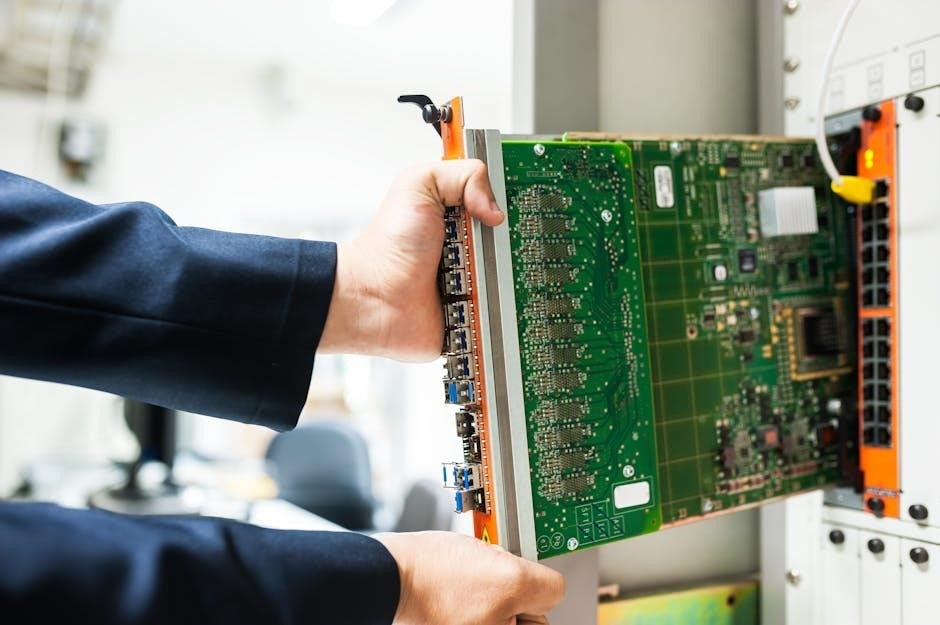
The PowerFlex 700S is a robust and versatile AC drive, designed for a wide range of industrial applications. Sourced from manualzilla’s extensive collection (manualzilla-id-5790695, added March 8, 2021, within a 137.0M dataset), this drive offers exceptional performance and control capabilities. It’s engineered to optimize motor performance, reduce energy consumption, and enhance overall system efficiency.
This drive supports various motor control modes, including Volts/Hertz, sensorless vector control, and closed-loop vector control with encoder feedback. Its compact design and flexible mounting options facilitate easy integration into existing systems. The PowerFlex 700S boasts a user-friendly interface, simplifying programming and troubleshooting. Furthermore, it incorporates advanced protection features to safeguard both the drive and the connected motor from potential faults. Manualzilla’s resource highlights its suitability for diverse applications, from simple pump and fan control to complex process automation.
Mounting and Physical Installation
Proper mounting and physical installation are crucial for optimal PowerFlex 700S performance and longevity, as detailed within the manualzilla resource (identified as manualzilla-id-5790695, added 2021-03-08). Ensure the drive is mounted on a clean, flat, and non-combustible surface, capable of supporting its weight. Adequate ventilation is paramount; maintain sufficient clearance around the drive for airflow, preventing overheating.
The drive can be mounted in various orientations, but vertical mounting with the heatsink facing upwards is generally recommended for enhanced cooling. Securely fasten the drive using appropriate screws, ensuring a firm and stable connection. Avoid mounting the drive near sources of excessive heat, dust, or moisture. Refer to the manual’s dimensional drawings for precise mounting hole locations. Following these guidelines, sourced from the 137.0M manualzilla collection, guarantees safe and reliable operation.
Wiring and Electrical Connections
Safe and correct wiring is fundamental to PowerFlex 700S operation, as emphasized in the manualzilla documentation (manualzilla-id-5790695, added 2021-03-08). Before commencing any wiring, always disconnect and lock out all power sources. Utilize appropriately sized conductors, conforming to local and national electrical codes. Ensure all connections are tight and secure, preventing loose wiring and potential hazards.
Grounding is critical; connect the drive’s grounding terminal to a reliable earth ground. Pay close attention to wire routing, keeping power and control wiring separate to minimize electrical noise. Double-check all connections against the wiring diagrams provided in the 137.0M manual. Improper wiring can lead to drive malfunction, equipment damage, or personal injury. Adhering to these guidelines, sourced from manualzilla’s extensive collection, ensures a safe and functional installation.
Input Power Requirements
The PowerFlex 700S, as detailed in the manualzilla resource (identified as manualzilla-id-5790695, added March 8th, 2021), demands careful consideration of input power specifications. Voltage and frequency must precisely match the drive’s nameplate ratings. Incorrect voltage can cause immediate damage, while frequency mismatches lead to reduced performance.
Adequate input power conductor sizing is crucial, determined by the drive’s full-load amperage and applicable electrical codes. Overcurrent protection, such as fuses or circuit breakers, is mandatory, sized to protect both the drive and the wiring. Line reactors or DC chokes may be required to mitigate harmonic distortion and improve power factor, depending on the application and local utility requirements. Refer to the 137.0M manual for detailed tables and guidance on selecting appropriate input power components.
Motor Wiring Configurations
The PowerFlex 700S, documented within the manualzilla collection (manualzilla-id-5790695, added 2021-03-08), supports various motor wiring configurations to accommodate diverse application needs. Common configurations include Wye (Star) and Delta connections, selectable based on the motor’s voltage rating and the drive’s output voltage.
Proper motor lead identification (U, V, W) is essential for correct phasing. Incorrect phasing results in reverse motor rotation or reduced performance. The manual details specific wiring diagrams for each configuration, emphasizing the importance of secure connections to prevent arcing and overheating. Long motor leads can introduce voltage drop and increased electrical noise; therefore, cable sizing and shielding are critical. Always consult the 137.0M manual for detailed instructions and safety precautions related to motor wiring.
Control Wiring and Signal Connections
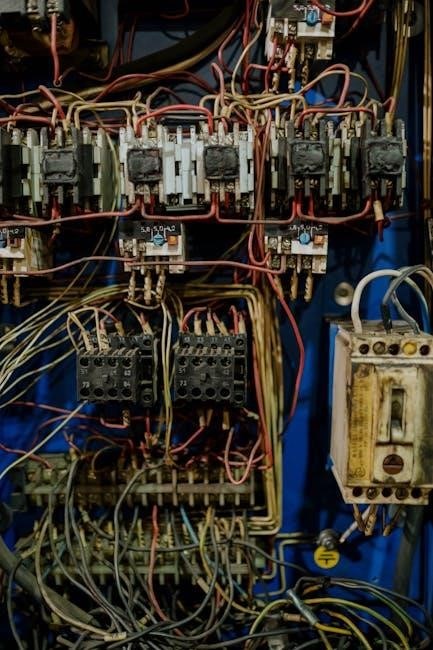
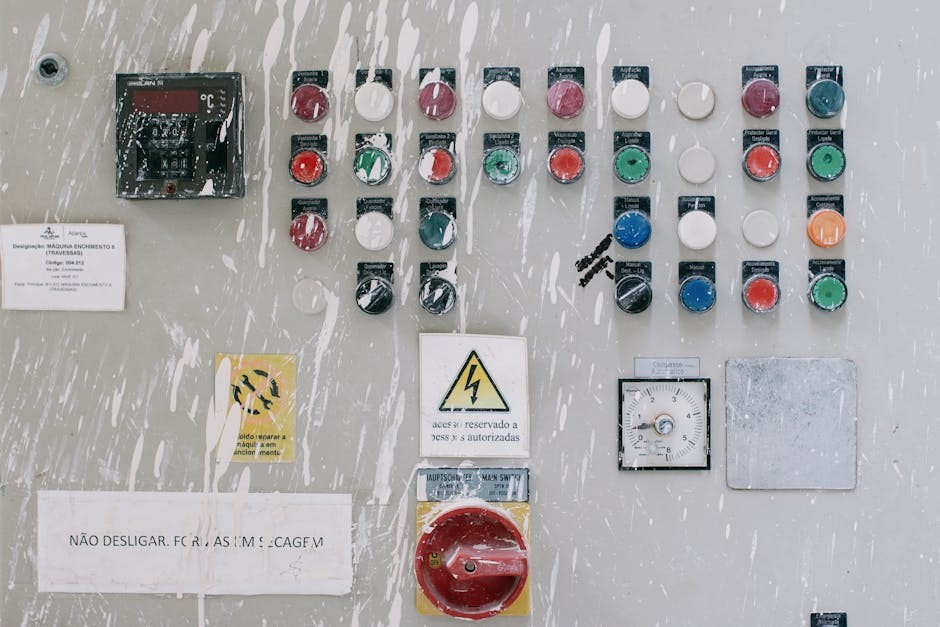
As detailed in the manualzilla resource (identified as manualzilla-id-5790695, added on March 8th, 2021), the PowerFlex 700S utilizes a variety of control wiring and signal connections for seamless integration into automation systems. These connections encompass digital inputs for start/stop, forward/reverse, and speed selection, alongside analog inputs for speed commands or process variables.
Digital outputs provide status signals like drive enabled, fault, and at speed. Proper shielding and twisted-pair wiring are crucial to minimize noise interference, ensuring reliable signal transmission; The 137.0M manual emphasizes correct terminal assignments and voltage level compatibility. Consideration should be given to isolation requirements when interfacing with external control systems. Refer to the comprehensive diagrams within the manual for precise wiring schematics and detailed explanations of each signal function.
Programming and Configuration
The PowerFlex 700S, detailed in the manualzilla resource (added 03/08/2021), offers flexible programming options for customized control and optimal performance adjustments.
Human Interface Module (HIM) Navigation
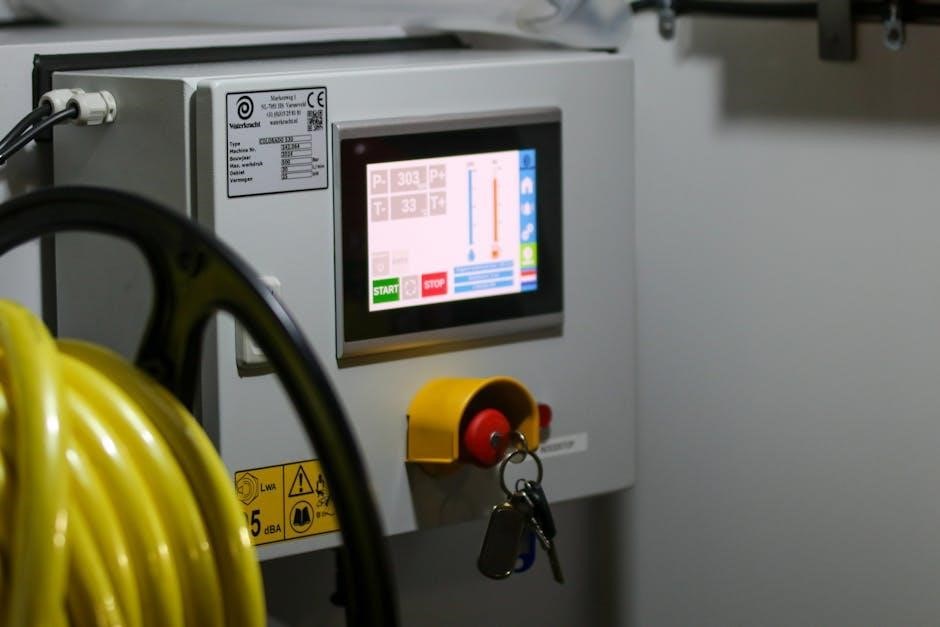
The PowerFlex 700S Human Interface Module (HIM) provides a user-friendly interface for drive monitoring, programming, and troubleshooting. Accessing the HIM allows operators to navigate through various menus and parameters efficiently. The manual, sourced from manualzilla and added on March 8, 2021, details the HIM’s key features.
Utilizing the keypad and display, users can view real-time drive status, adjust operating parameters, and acknowledge faults. The HIM’s menu structure is logically organized, enabling quick access to frequently used functions. Understanding the HIM’s navigation is crucial for effective drive control and maintenance. The manual provides step-by-step instructions for navigating the menus, selecting parameters, and saving changes. It also covers troubleshooting common HIM-related issues, ensuring smooth operation and minimizing downtime. Proper HIM utilization enhances overall system performance and simplifies drive management.
Parameter Overview and Configuration
The PowerFlex 700S offers a comprehensive set of parameters for precise drive configuration, detailed within the manual sourced from manualzilla (added 2021-03-08). These parameters govern motor control, drive behavior, and protection features. Understanding these settings is vital for optimal performance and application-specific tuning.
Configuration involves adjusting parameters to match the connected motor and application requirements. The manual categorizes parameters into logical groups – motor, drive control, and protection – simplifying the setup process. Users can modify parameters via the Human Interface Module (HIM) or through network communication. Careful parameter selection ensures efficient operation, prevents damage, and maximizes the drive’s lifespan. The manual emphasizes the importance of reviewing default settings and adjusting them based on the specific application needs. Proper configuration is key to unlocking the full potential of the PowerFlex 700S.
Motor Parameters
Motor parameters within the PowerFlex 700S, as detailed in the manualzilla resource (identified as manualzilla-id-5790695, added 2021-03-08), are crucial for accurate motor modeling and control. These parameters define the motor’s electrical characteristics, enabling the drive to optimize performance. Key settings include rated voltage, full load amps, frequency, and poles.
Correctly entering these values ensures proper motor operation and prevents potential damage. The manual stresses the importance of verifying motor nameplate data before inputting parameters. Additional parameters allow for customization, such as rotor resistance and magnetizing current, for advanced motor control strategies. Incorrect motor parameter settings can lead to instability, reduced efficiency, or even motor failure. Thorough understanding and precise configuration of these parameters are fundamental to successful PowerFlex 700S implementation.
Drive Control Parameters
The PowerFlex 700S drive control parameters, documented within the manualzilla collection (manuals_contributions; manuals, added March 8th, 2021), govern the drive’s operational behavior. These settings dictate how the drive responds to commands and manages motor acceleration, deceleration, and speed regulation. Key parameters include acceleration/deceleration times, speed reference source selection, and control mode (V/Hz, sensorless vector, or closed-loop vector control).
Users can fine-tune these parameters to match specific application requirements. For instance, adjusting acceleration/deceleration times minimizes mechanical stress on the driven equipment. Selecting the appropriate control mode optimizes performance and efficiency. The manual emphasizes careful consideration of these settings to achieve desired dynamic response and stability. Proper configuration of drive control parameters is essential for maximizing the PowerFlex 700S’s capabilities and ensuring reliable operation.
Protection Parameters
The PowerFlex 700S, as detailed in the manualzilla resource (identified as manualzilla-id-5790695, added 2021-03-08), incorporates comprehensive protection parameters to safeguard both the drive and connected motor. These parameters define thresholds and responses to abnormal conditions, preventing damage and ensuring operational safety. Critical settings include overcurrent, overvoltage, undervoltage, and overload protection levels.
Users can customize these parameters based on the motor’s specifications and application demands. Configuring appropriate fault responses – such as trip, warning, or restart – allows for tailored handling of protection events. The manual stresses the importance of correctly setting these parameters to avoid nuisance trips while maintaining robust protection. Proper configuration minimizes downtime and extends the lifespan of the drive and motor, contributing to a reliable and efficient system. Careful attention to protection parameters is paramount for long-term operation.
Operation and Monitoring
Based on manualzilla’s 2021 resource, effective operation and monitoring of the PowerFlex 700S are crucial for optimal performance and system reliability.
Drive Startup and Initial Configuration
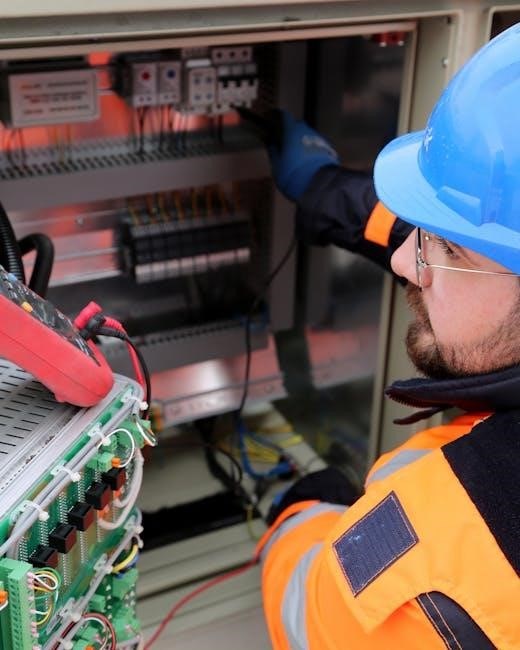
Prior to initial startup, a thorough review of the PowerFlex 700S documentation – as found within the manualzilla resource dated March 8, 2021 – is paramount. Verify all wiring connections, ensuring adherence to specified input power requirements and correct motor wiring configurations.
Begin by applying power and observing the drive’s initial display. Navigate the Human Interface Module (HIM) to confirm basic parameters are appropriately set. Crucially, establish communication protocols like EtherNet/IP, Profibus DP, or DeviceNet, if required for remote control.
Perform a no-load run to validate motor rotation direction and confirm proper operation. Carefully monitor for any fault codes or unusual behavior. Initial configuration should include setting essential motor parameters and drive control parameters to align with the application’s specific needs, safeguarding against potential issues.
Local Control Panel Operation
The PowerFlex 700S’s Human Interface Module (HIM), detailed within the manualzilla documentation (added March 8, 2021), provides comprehensive local control. Utilize the keypad to navigate menus, adjust parameters, and monitor drive status in real-time. The display presents critical information, including frequency, current, voltage, and active fault codes.
Keypad functions enable starting, stopping, and adjusting speed references. Operators can access pre-configured speed settings or manually input desired values. The HIM allows for parameter modification, facilitating fine-tuning of drive performance.
Familiarity with the HIM’s navigation structure is essential for efficient operation and troubleshooting. Regularly consult the user manual for detailed explanations of each function and parameter, ensuring safe and optimized control of the PowerFlex 700S drive.
Remote Control and Communication
The PowerFlex 700S, as documented in the manualzilla resource (identified as manualzilla-id-5790695, added 2021-03-08), supports diverse remote control and communication protocols. This allows for integration into larger automation systems and supervisory control networks.
Commonly utilized protocols include EtherNet/IP, Profibus DP, and DeviceNet, enabling seamless data exchange and command transmission. These connections facilitate remote monitoring of drive parameters, adjustment of setpoints, and acknowledgement of faults.
Configuration of these communication interfaces requires careful attention to network settings and protocol-specific parameters. The user manual provides detailed instructions for establishing and troubleshooting these connections, ensuring reliable remote operation and integration with existing control infrastructure. Proper setup is crucial for optimal system performance and data integrity.
EtherNet/IP Communication
The PowerFlex 700S, detailed within the manualzilla collection (manualzilla-id-5790695, added March 8th, 2021), offers robust EtherNet/IP communication capabilities. This allows for integration with Rockwell Automation’s Logix controllers and other EtherNet/IP-enabled devices.
Configuration involves assigning a static IP address, subnet mask, and gateway to the drive, ensuring proper network connectivity. Explicit messaging and class-based data access are supported, enabling efficient data exchange. The drive’s EtherNet/IP assembly objects provide access to drive status, control words, and parameter data.
Troubleshooting typically involves verifying network connectivity, checking IP address conflicts, and confirming correct assembly object mapping. The user manual provides detailed examples and diagnostic procedures for establishing and maintaining reliable EtherNet/IP communication, crucial for seamless system integration.
Profibus DP Communication
The PowerFlex 700S, documented within the manualzilla resource (identified as manualzilla-id-5790695, added on 2021-03-08), supports Profibus DP communication for integration into distributed control systems. This protocol enables data exchange with PLCs and other Profibus-compatible devices.
Successful implementation requires a Profibus DP master device and a configured Profibus DP network. The drive utilizes a GSD file containing device-specific parameters for network configuration. Parameterization involves setting the drive’s node address, transmission rate, and data exchange mappings.
Troubleshooting often centers around verifying network termination, checking GSD file compatibility, and confirming correct parameter settings. The comprehensive user manual details diagnostic procedures and provides examples for establishing reliable Profibus DP communication, ensuring seamless integration within industrial automation systems.
DeviceNet Communication
As detailed in the manualzilla documentation (manualzilla-id-5790695, added 2021-03-08), the PowerFlex 700S offers DeviceNet communication capabilities, facilitating integration with Allen-Bradley ControlLogix and PLC systems. This allows for robust control and monitoring via a DeviceNet network.
Configuration involves utilizing an EDS (Electronic Data Sheet) file, which defines the drive’s DeviceNet object and attributes. Proper network addressing and baud rate settings are crucial for successful communication. Data mapping allows for the exchange of input/output data, status information, and control commands.
Troubleshooting DeviceNet connectivity often involves verifying network wiring, confirming EDS file compatibility, and checking parameter settings within both the drive and the DeviceNet master. The user manual provides detailed guidance on diagnostics and configuration, ensuring reliable integration within DeviceNet-based automation architectures.

Troubleshooting and Maintenance
Based on manualzilla’s resources (added 2021-03-08), this section details common faults, diagnostic procedures, and a preventative maintenance schedule for optimal drive performance.
Common Faults and Error Codes
This section provides a comprehensive overview of frequently encountered faults within the PowerFlex 700S drive system. Understanding these error codes, as documented in resources like manualzilla (identified as manualzilla-id-5790695 and added on March 8, 2021), is crucial for efficient troubleshooting.
Common issues include overcurrent faults, often triggered by motor overload or short circuits. Overvoltage and undervoltage faults indicate power supply problems, requiring immediate attention. Communication failures, particularly with EtherNet/IP, Profibus DP, or DeviceNet, can disrupt system operation.
The drive’s diagnostic capabilities provide specific error codes, enabling precise identification of the fault source. Refer to the detailed error code list within the full manual for detailed explanations and recommended corrective actions. Ignoring these codes can lead to further damage or system downtime. Proper interpretation and resolution are key to maintaining reliable operation.
Drive Diagnostics and Monitoring
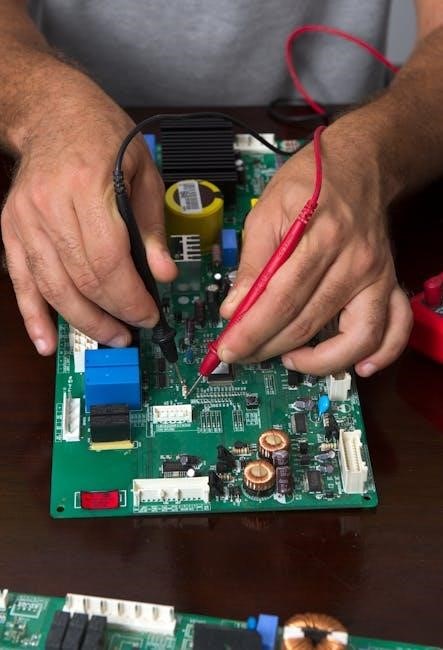
The PowerFlex 700S incorporates robust diagnostic tools, essential for proactive maintenance and rapid fault identification, as detailed within resources like manualzilla (item size 137.0M, added 2021-03-08). These features allow operators to monitor critical drive parameters in real-time, preventing unexpected downtime.
Built-in monitoring capabilities include voltage and current readings, motor speed, and temperature monitoring. The Human Interface Module (HIM) provides a user-friendly interface for accessing this data. Furthermore, communication protocols like EtherNet/IP, Profibus DP, and DeviceNet enable remote monitoring and data logging.
Analyzing historical data trends can reveal potential issues before they escalate. Diagnostic logs record fault events, providing valuable insights for troubleshooting. Regularly reviewing these logs, alongside the manual’s guidance (manualzilla-id-5790695), ensures optimal drive performance and longevity.
Preventative Maintenance Schedule
Establishing a consistent preventative maintenance schedule is crucial for maximizing the lifespan and reliability of your PowerFlex 700S drive, referencing resources like manualzilla (added 2021-03-08, identifier manualzilla-id-5790695). This schedule should encompass regular inspections and cleaning to mitigate potential issues.
Monthly checks should include visual inspections for dust accumulation, loose connections, and signs of overheating. Quarterly, verify fan operation and inspect cooling components. Annually, a more thorough assessment is recommended, including tightening all electrical connections and checking the integrity of capacitors.
Maintaining detailed records of all maintenance activities is vital. This documentation, alongside the 137.0M manual, aids in identifying recurring problems and optimizing the maintenance plan. Proactive maintenance minimizes downtime and ensures continued optimal performance of the drive.